What a Christmas Feast Does to Your Brain
New research suggests your body handles a single big meal better than you think—but there’s a limit. Learn why five days of feasting is the danger zone.




New research suggests your body handles a single big meal better than you think—but there’s a limit. Learn why five days of feasting is the danger zone.

The CDC officially abandoned universal newborn hepatitis B vaccination, recommending ‘shared decision-making,’ a major policy shift driven by the ACIP committee appointed by Robert F. Kennedy Jr.
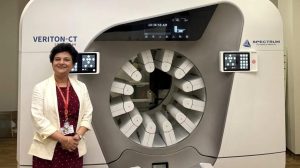
A new £1m scanner at Royal Brompton Hospital using Cadmium Zinc Telluride (CZT), made by British firm Kromek, has cut lengthy lung scans from 45 to 15 minutes. The “amazing feat of engineering” allows for highly detailed 3D images while reducing the radioactive dose by 30%, ushering in a “revolution” in medical imaging.
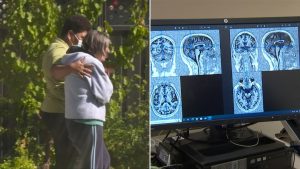
New ABS data for 2024 confirms dementia is the nation’s biggest killer, claiming 17,549 lives. The shift, which ends heart disease’s decades-long reign, is linked to Australia’s longer life expectancy, especially for women, who account for over 62% of dementia deaths.

New research suggests your body handles a single big meal better than you think—but there’s a limit. Learn why five days of feasting is the danger zone.

The CDC officially abandoned universal newborn hepatitis B vaccination, recommending ‘shared decision-making,’ a major policy shift driven by the ACIP committee appointed by Robert F. Kennedy Jr.

A new £1m scanner at Royal Brompton Hospital using Cadmium Zinc Telluride (CZT), made by British firm Kromek, has cut lengthy lung scans from 45 to 15 minutes. The “amazing feat of engineering” allows for highly detailed 3D images while reducing the radioactive dose by 30%, ushering in a “revolution” in medical imaging.

New ABS data for 2024 confirms dementia is the nation’s biggest killer, claiming 17,549 lives. The shift, which ends heart disease’s decades-long reign, is linked to Australia’s longer life expectancy, especially for women, who account for over 62% of dementia deaths.

Walking 5,000 to 7,500 steps daily slowed cognitive decline by up to 7 years in people with early Alzheimer’s signs, according to a new Nature Medicine study.

New CMS order demands states investigate 170,000+ Medicaid enrollees for immigration status, raising fears of unnecessary coverage loss. States call the directive a burden and politically motivated

New CDC data: 1 in 31 US children has autism. An expert on the spectrum explains the rise is due to better recognition, urging policymakers to focus on support and acceptance

Decades of advice to avoid peanuts in infancy were “completely backward.” Learn how Dr. Lack’s research reversed the trend, leading to a 33% drop in US peanut allergies

New research reveals humans are living 20 years longer than in 1950, but highlights a disturbing “emerging crisis” of rising mortality among adolescents and young adults due to suicide, drug overdose, and the global surge of noncommunicable diseases.